






UN Watchdog Confirms Assad-Era Nuclear Reactor Near Deir ez-Zor Was Configured for Weapons Material

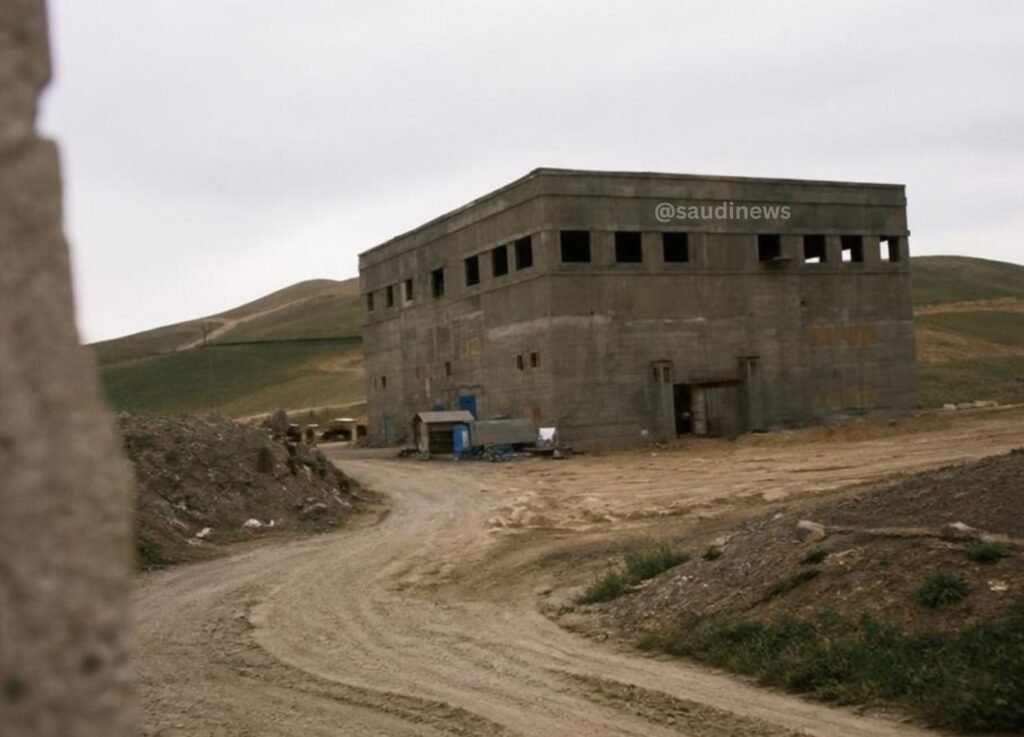
A landmark report, by the International Atomic Energy Agency (IAEA) has confirmed that a clandestine, near‑complete nuclear reactor was built in Deir ez‑Zor during the time of ousted President Bashar al‑Assad. This nuclear reactor was designed to make weapons‑grade material.
Addressing the agency’s Board of Governors in Vienna, IAEA Director General Rafael Grossi revealed that recent on-site inspections in Syria uncovered a covert nuclear infrastructure significantly larger in scale than previously understood. Following the fall of the Assad regime, newly established authorities in Damascus granted international inspectors access to the long-sealed Al-Kibar facility near Deir ez-Zor as well as additional undisclosed auxiliary sites.
The IAEA’s findings verified the presence of roughly 73 tonnes of natural uranium metal—including 55 tonnes of manufactured fuel rods—alongside evidence of an undeclared fuel fabrication plant and planned reprocessing operations. Technical evaluations determined that the gas-cooled, graphite-moderated reactor design was exceptionally efficient for generating plutonium suitable for nuclear weapons. The Al-Kibar facility was originally destroyed by an Israeli airstrike in September 2007, after which Syrian authorities covered up the site and stymied international inquiries for nearly two decades.
Following full cooperation from Syria’s current transitional authorities, the IAEA Board of Governors voted to formally terminate Syria’s long-standing non-compliance case, paving the way for renewed international cooperation on peaceful nuclear applications.